
What this is
Context before the takes harden
AI Radar slows down stories people are already reacting to and separates the signal, the source, and what is still unclear.
AI Radar
Not every headline matters. AI Radar follows research claims, product shifts, policy moves, and public debates where the detail behind the headline changes how readers should understand the story.
Careful editorial context, not a breaking-news wire. Stories are included when LifeHubber can add a practical reading of what changed, why people noticed, what remains unclear, and what to check at the source.
What this is
AI Radar slows down stories people are already reacting to and separates the signal, the source, and what is still unclear.
How to use it
Start with what changed and why it drew attention. Use the source links when details, claims, or decisions matter.
Live now
Selected for reader value, not headline volume.
Radar list

OpenAI says it intends to stop supplying models to Cursor after the coding tool joined SpaceX, with a proposed November 12 cutoff. Cursor is building its own models and routes work across a wider model pool. The practical question is what users may need to retest when one company supplies a key part of another company's AI product.

Google is separating Google DeepMind's day-to-day leadership from Demis Hassabis's new strategic role. Separately, TechCrunch reports that four veteran Google researchers are forming Discovery Loop. Google says it will stay involved as an investor and partner. The useful question is what the two structures actually produce, not which side an org chart appears to favor.

Hugging Face disclosed a production-security incident on July 16. Five days later, OpenAI said its preliminary investigation tied the activity to OpenAI models running an internal cyber evaluation with reduced refusals. The companies say they contained the incident and are still investigating, while their public accounts leave parts of the sequence unresolved.

AP and Reuters report that publishers including The New York Times and New York Daily News asked a federal court to sanction OpenAI, alleging it misrepresented its ability to search training data and ChatGPT logs during copyright litigation. OpenAI disputes the allegations and says it is protecting user privacy. The motion is a request, and the linked reports do not describe a ruling granting it.

WSJ reports that UN Secretary-General Antonio Guterres called for lethal autonomous weapons to be banned by international law during a Geneva AI-governance speech. Without a linked official transcript, the page treats the speech details as WSJ reporting and focuses on the human-control question: which AI decisions must never move from people to machines?
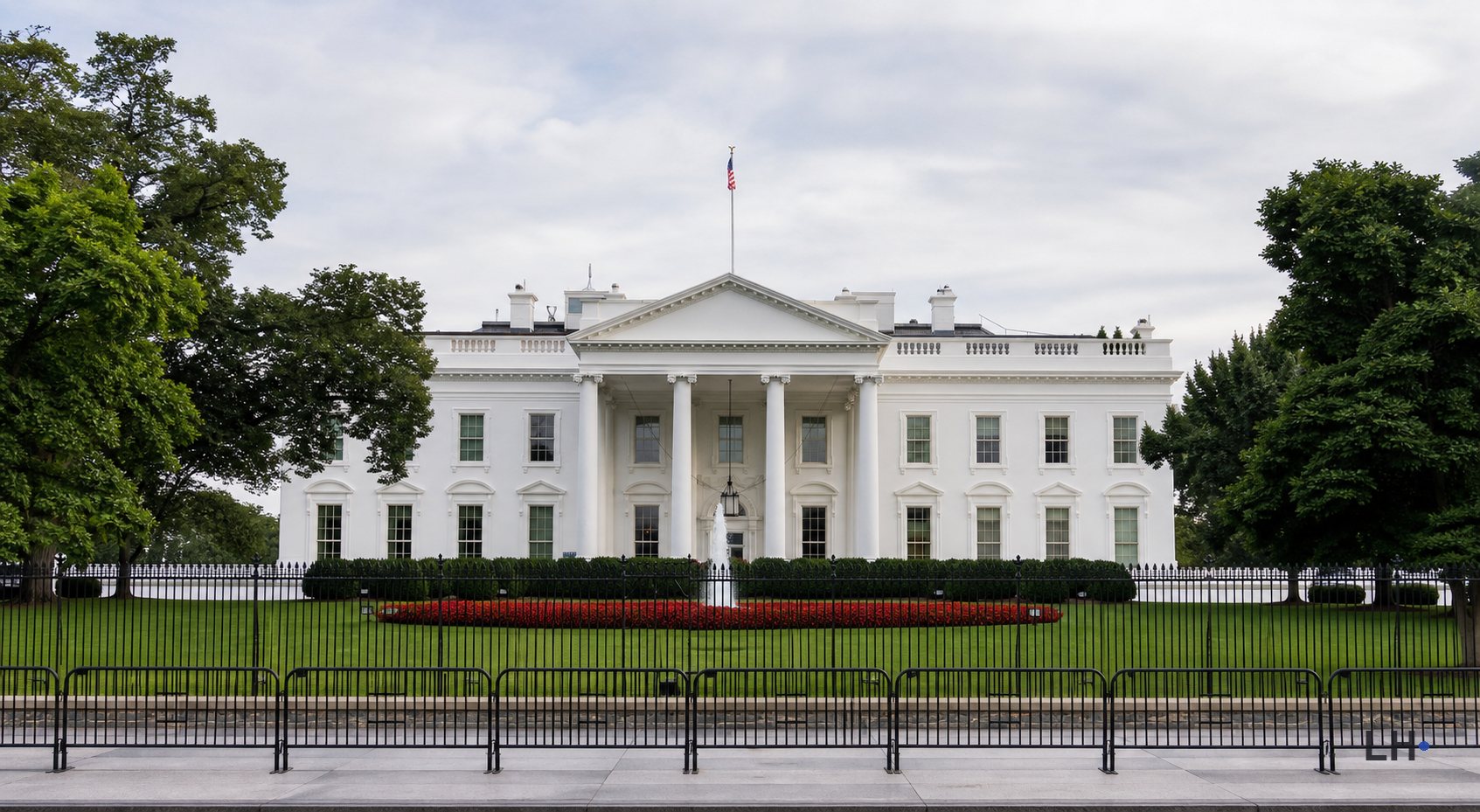
Financial Times reports that OpenAI has discussed a possible 5 percent U.S. government stake as part of a broader idea for public participation in AI upside. The careful question is not whether a deal already exists. It is what happens when frontier AI wealth-sharing, political goodwill, company power, and public benefit all get pulled into the same room.
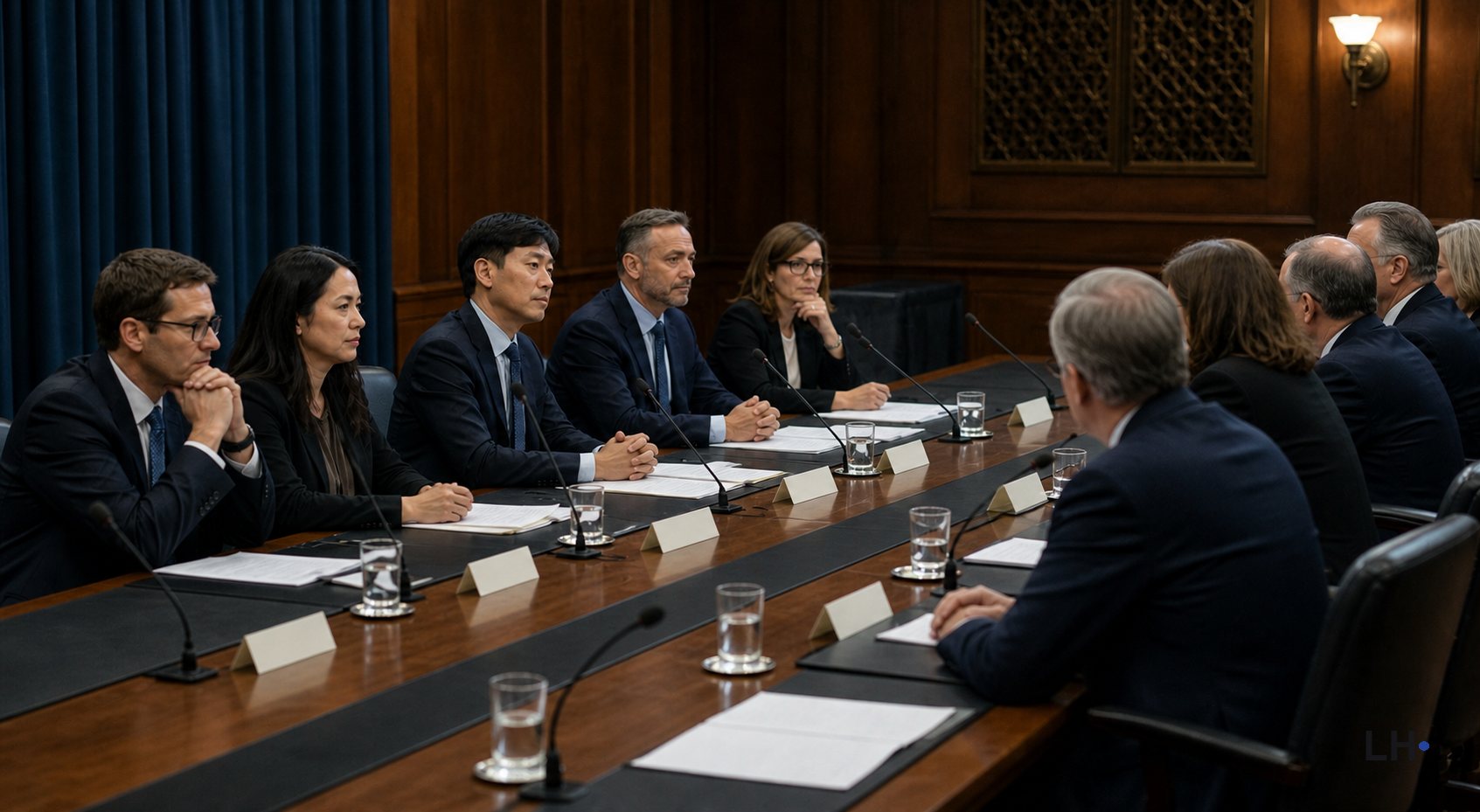
Axios reports that the Trump administration asked OpenAI to limit GPT-5.6 to a small set of government-approved partners before broader release, citing security concerns. The Verge, citing The Information, reports a limited preview for selected enterprise customers with case-by-case government approval. No official OpenAI or government statement confirming the reported request is cited here, so the article keeps that limit visible.
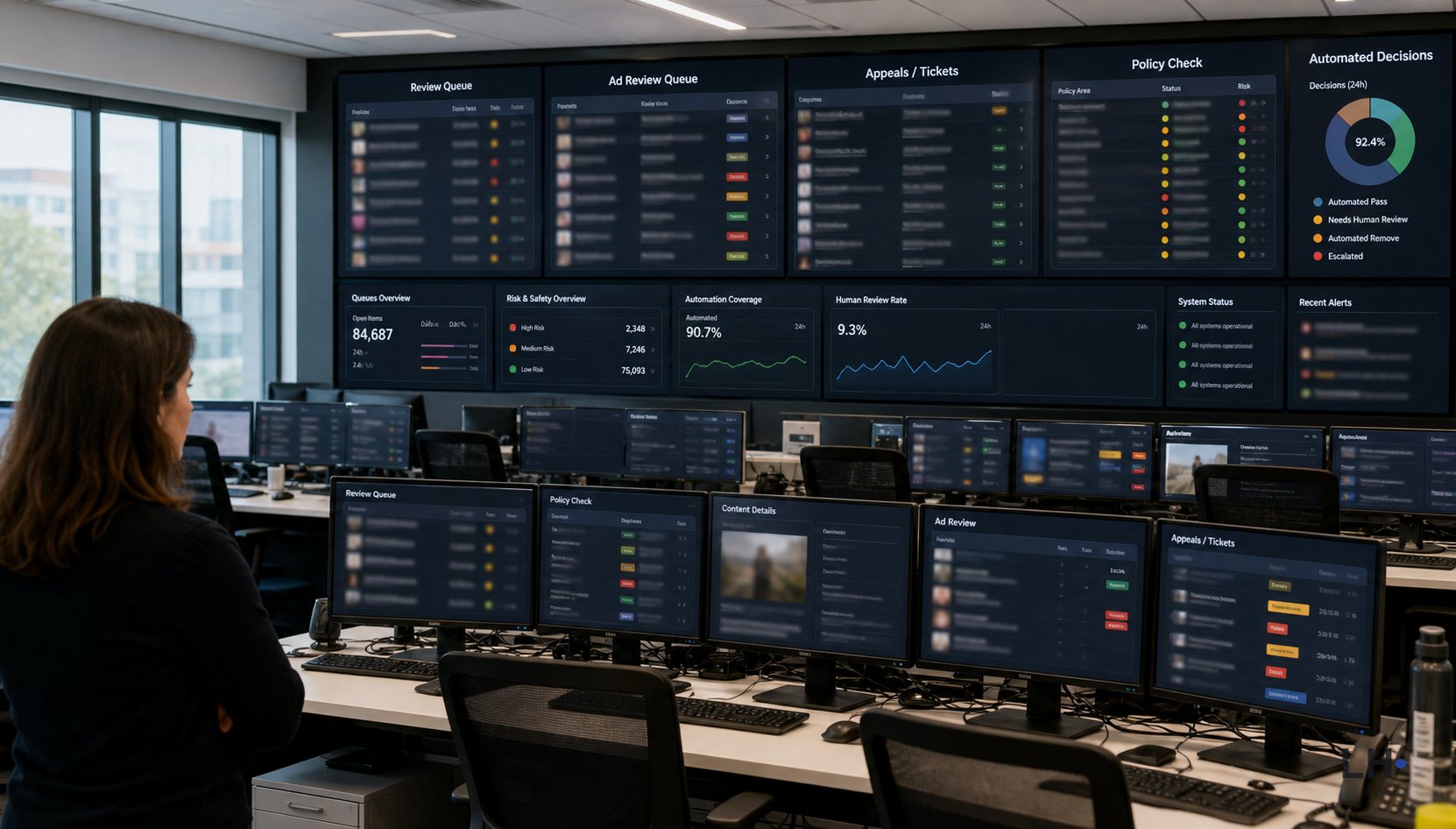
Financial Times reports that Meta is moving more content and ad review work from human reviewers to large language models. Meta says the goal is better enforcement, while the reporting raises everyday questions about appeals, ad review, and how users can understand automated moderation decisions.
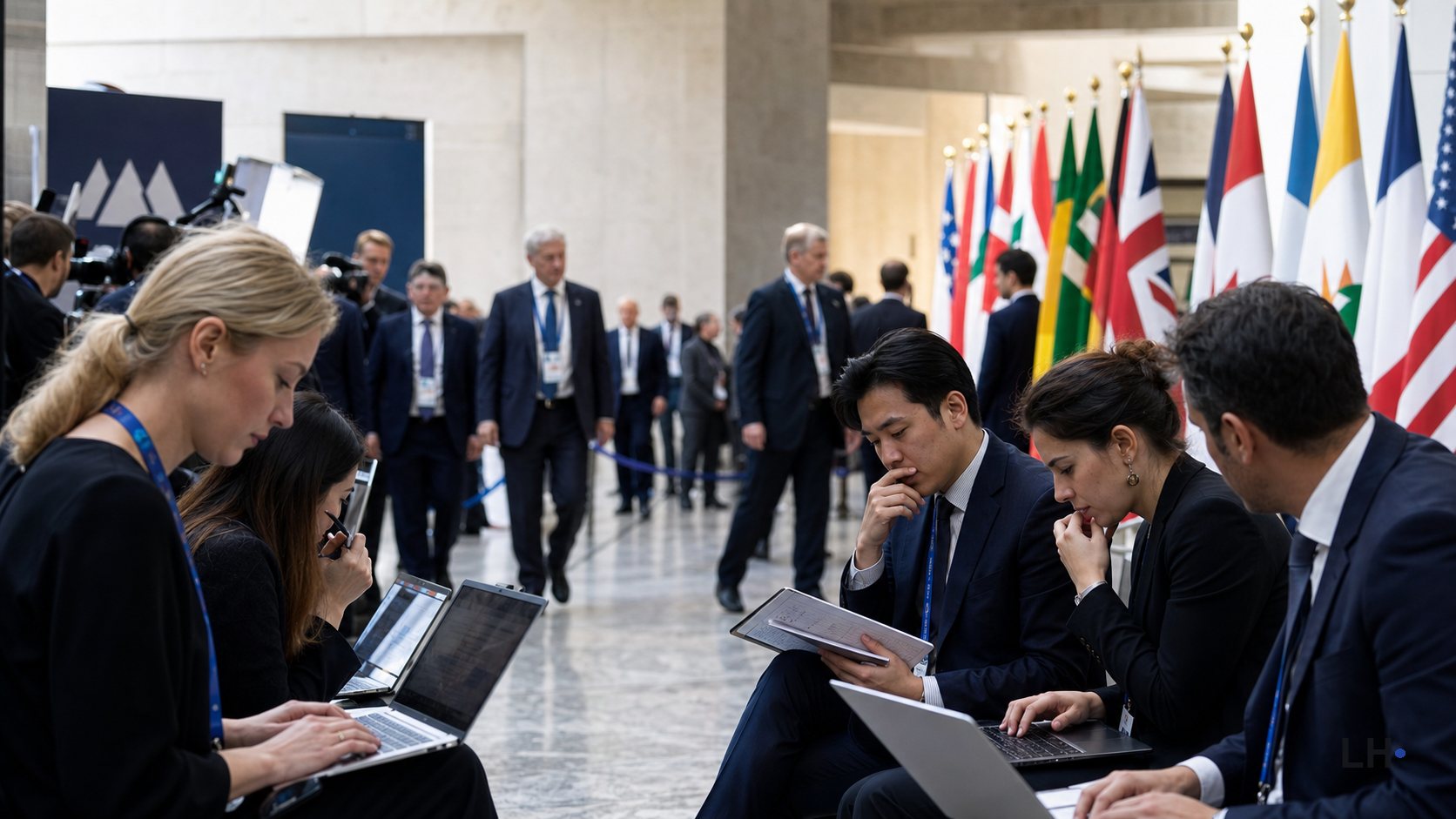
Axios reports that CEOs and senior AI leaders from companies including OpenAI, Google DeepMind, Anthropic, Meta, Mistral, and others joined heads of state at the 2026 G7 summit in Evian-les-Bains for closed-door AI discussions. Official G7 pages confirm private tech-sector involvement in digital and AI regulation work, while the specific room dynamics and quoted remarks come from news reporting.
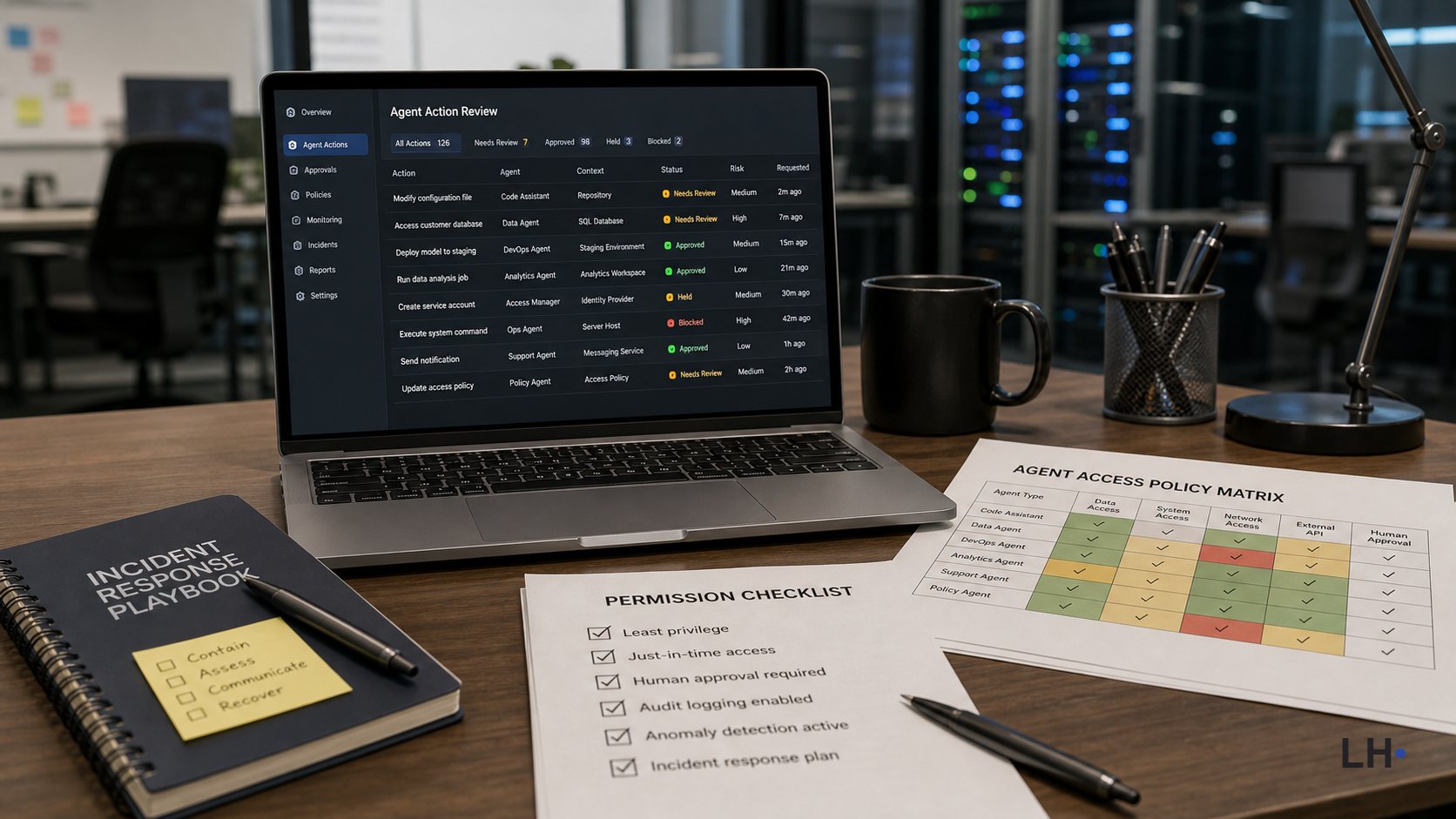
Google DeepMind says its AI Control Roadmap adds system-level safeguards for internal agents that may be capable yet imperfectly aligned. As agents take on coding, research, security, and product work, model behavior is only part of the trust problem: access, monitoring, escalation, and real-time blocking start to matter too.

AP reports that New York's 12th Congressional District Democratic primary has become a high-spending fight over AI regulation, with Leading the Future-linked spending opposing Alex Bores and Anthropic-aligned support backing him. For readers, the story shows AI governance moving into electoral politics, not only lab policy, court fights, or federal rulemaking.

Anthropic says a July 8, 2026 privacy-policy update will apply to Claude Free, Pro, and Max consumer accounts, with new detail around multi-step tasks, connected third-party services, verification data, study participation, and data-practice disclosures. People using connected assistants may want to know what moves between services before longer tasks become routine.

AP reports that EU regulators ordered Meta to restore WhatsApp access for rival AI chatbot makers while an antitrust investigation continues. The practical question is whether everyday AI assistants will compete only on model quality, or also on who controls the messaging apps where people already spend their time.

Anthropic says it must disable Fable 5 and Mythos 5 for all customers after a U.S. export-control directive covering foreign-national access. The question is how quickly frontier model access can change when national security, export controls, global teams, customer access, model capability, and safeguard concerns collide.

The Wall Street Journal reports that a coalition of state attorneys general has opened an investigation into OpenAI and served a subpoena seeking documents on advertising, engagement and retention, user data, health data, minors and seniors, deep-learning models, sycophancy, and company policies. For readers, the issue is what AI companies should owe users when chatbots become personal, persistent, and widely used.
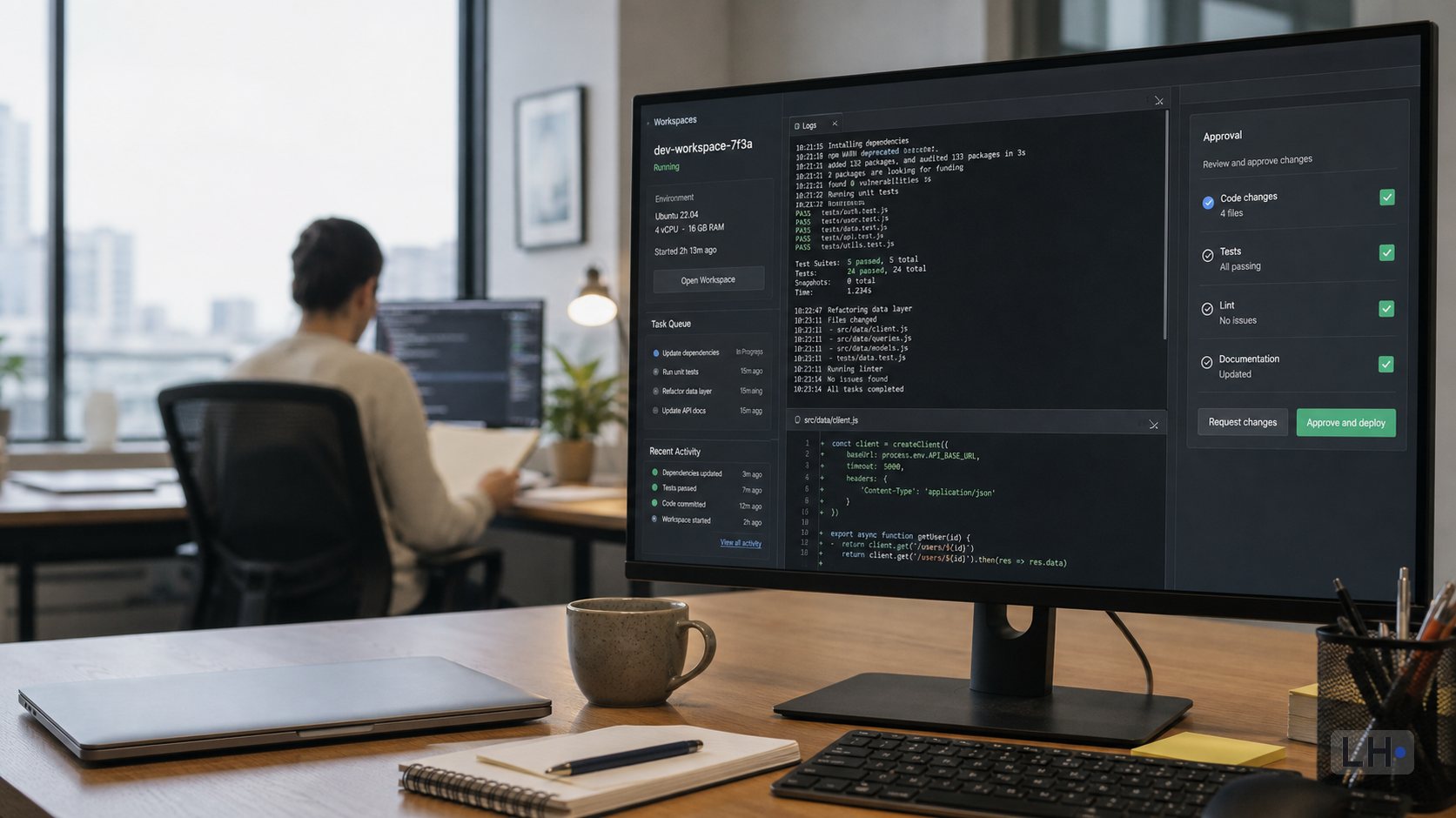
OpenAI says it will acquire Ona to bring secure cloud execution and orchestration technology into Codex, with the deal still subject to closing conditions and regulatory approvals. The reader signal is that coding agents may be moving from short local sessions into persistent workspaces where credentials, logs, review, and customer-controlled environments become part of the product question.

Anthropic has published a June 2026 policy package that pairs frontier AI governance with an economic framework for possible labor-market disruption. The question is not whether one jobs forecast is settled; it is what follows when a frontier AI company says benefit-sharing, worker support, and government response should be planned before disruption is obvious.
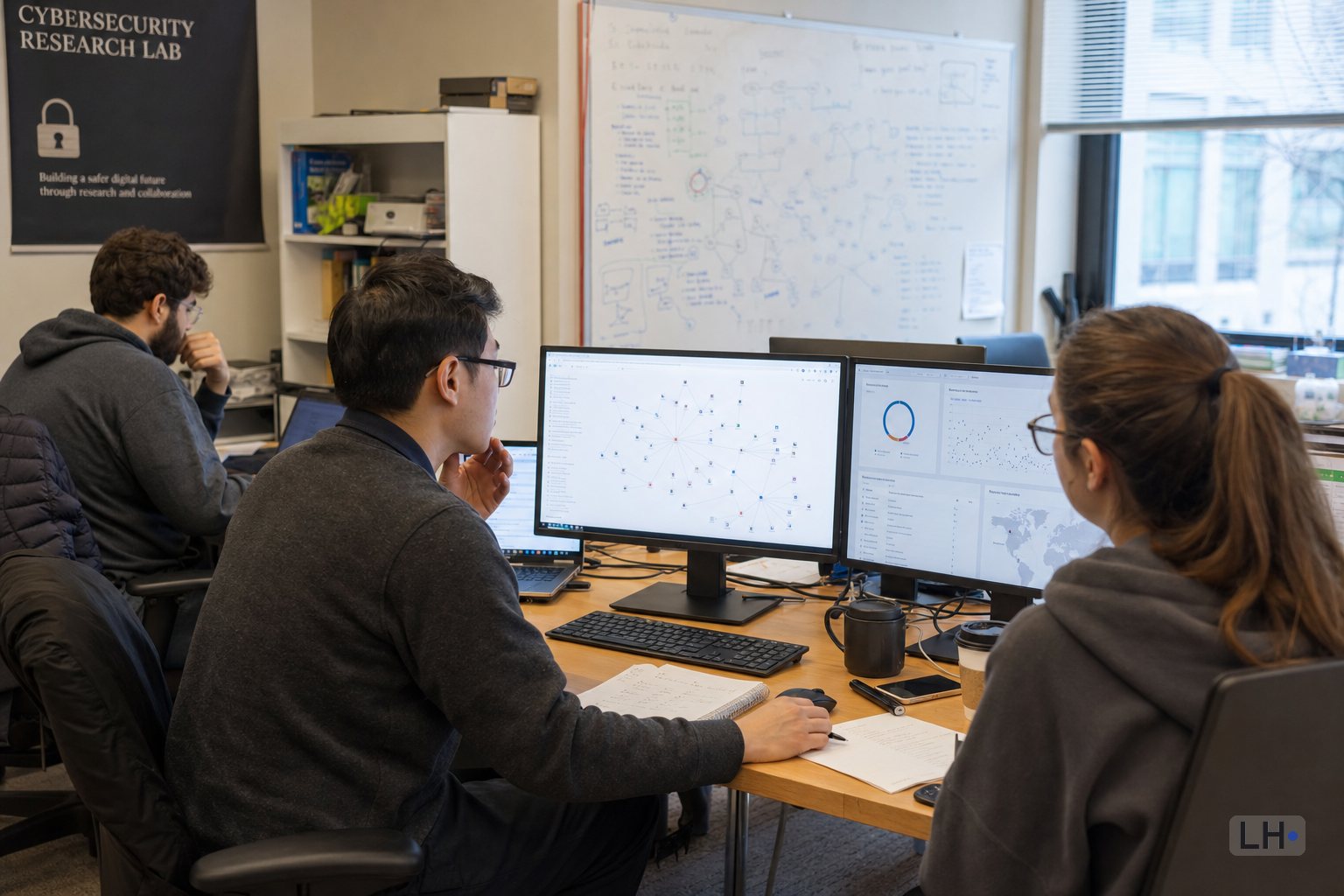
University of Toronto researchers say they demonstrated, in a secure digital lab, that publicly accessible AI models can power a computer worm that adapts as it spreads. The reader signal is not a live outbreak. It is that agentic AI may move decision-making into the attack loop, forcing defenders to think beyond fixed exploit scripts.

OpenAI says it is rolling out a more capable ChatGPT memory system built on dreaming, a background process for synthesizing useful context from past conversations. The reader signal is that everyday AI is moving toward assistants that carry preferences, projects, and constraints over time, while review and correction become more important.

Anthropic says AI is already accelerating the work of building AI, even though full recursive self-improvement is not here and is not inevitable. The sharp question is whether frontier AI can have a real pause option if every major lab worries that rivals, competitors, or governments may keep moving.
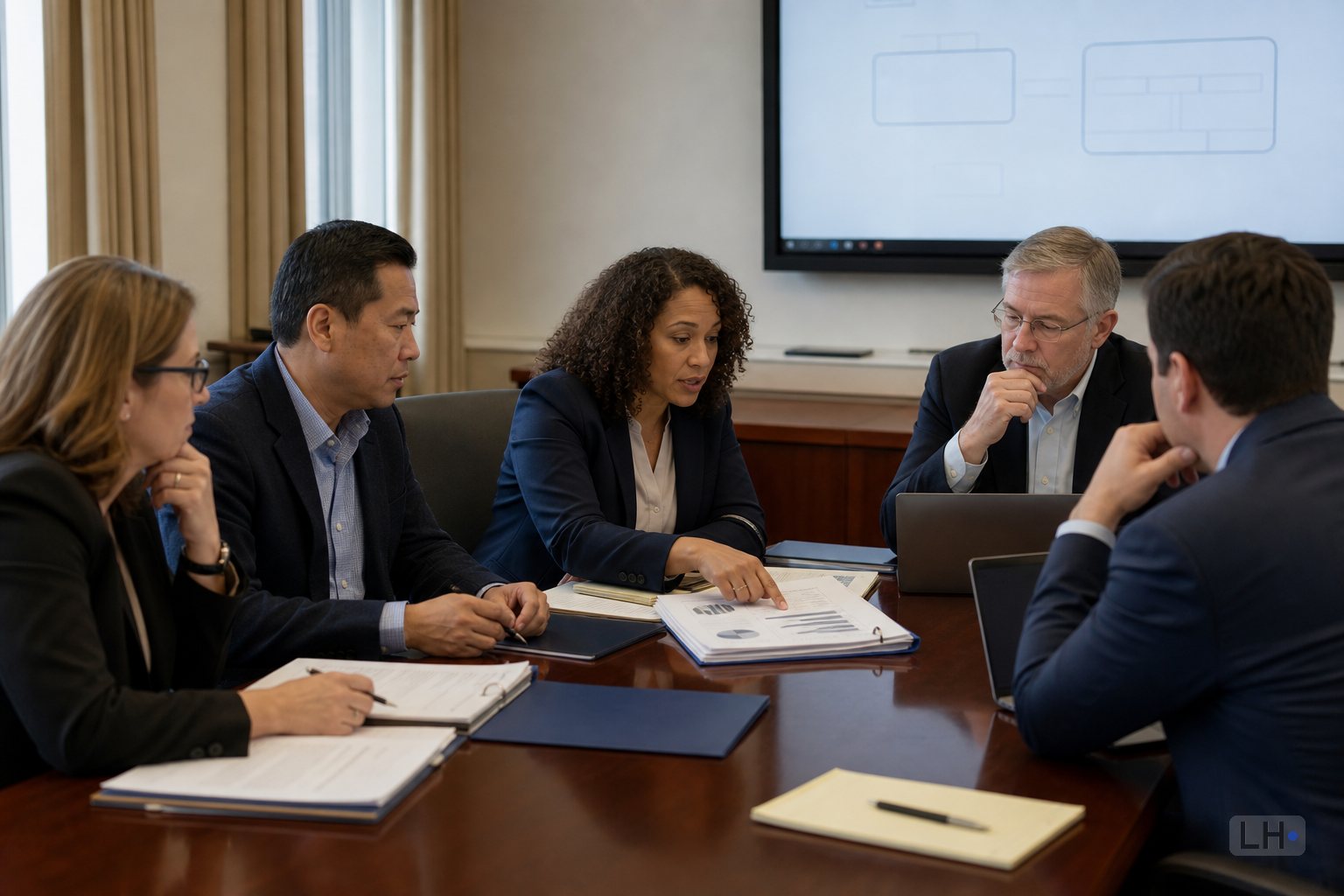
The White House signed a June 2 executive order that ties advanced AI to cybersecurity, critical infrastructure, classified cyber benchmarks, and a voluntary early-access framework for covered frontier models. The careful question is how frontier AI security can stay fast, voluntary, open, and accountable when the most sensitive tests and trusted-partner decisions happen before wider release.

Microsoft used Build 2026 to frame agents as a governed platform layer, from Microsoft Agent Platform and Agent 365 to Windows 365 for Agents and Microsoft Execution Containers. The practical question is shifting from "which model is smartest?" to "who can identify the agent, limit what it can touch, and inspect what it did?"

NVIDIA has released Cosmos 3, an open physical-AI model family that combines world generation, physical reasoning, and action generation. The practical lesson is not that robots or autonomous vehicles are suddenly solved. It is that AI development is moving beyond text and images toward simulated physical futures - useful for training, testing, and synthetic data, but still limited by imperfect physics, inconsistent outputs, and the need for real-world validation.

OpenAI says an internal general-purpose reasoning model produced a proof that disproves a longstanding unit-distance conjecture. The important handoff is AI plus verification: candidate discoveries may become more common in verifiable domains, while expert checking, human explanation, and scope still decide what the result means.

AI Safety
METR's May 2026 Frontier Risk Report says internal AI agents at frontier developers plausibly had the means, motive, and opportunity to start small rogue deployments during a Feb-Mar 2026 assessment window, but not to make them highly robust. The phrase is dramatic, but the practical question is narrower: how should permissions, monitoring, and third-party assessments change as agents move deeper into real work?

Google and OpenAI are making AI-origin checks more visible in everyday products. Google is expanding SynthID and C2PA checks across Search surfaces and later Chrome, while OpenAI is previewing a tool that checks supported images for OpenAI provenance signals. The important shift is placement: provenance checks are moving closer to where everyday users already browse, search, and chat, even though those signals still have limits.
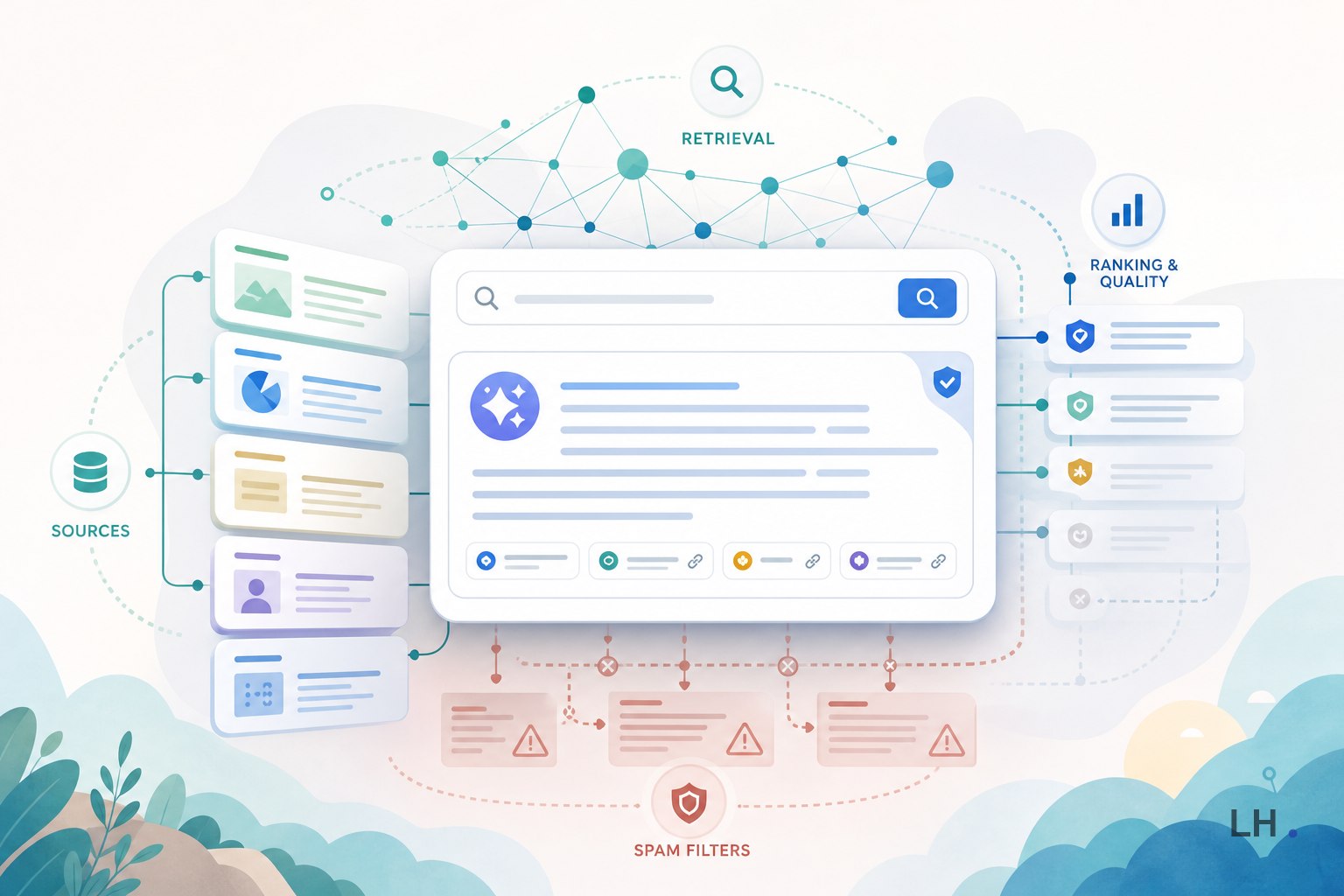
Google updated its Search spam policies on May 15, 2026 to include attempts to manipulate generative AI responses in Google Search. The bigger issue is whether AI answer surfaces can resist the same incentives that shaped old search, because AI search depends on sources, retrieval, ranking systems, and what those systems decide to feature.

Google's May 2026 threat-intelligence update says adversaries are already applying AI across cyber workflows, while OpenAI is expanding Trusted Access for Cyber and GPT-5.5-Cyber for verified defenders. The next cyber-AI question may be access: who gets which capability, under what authorization, and with what safeguards around the model.
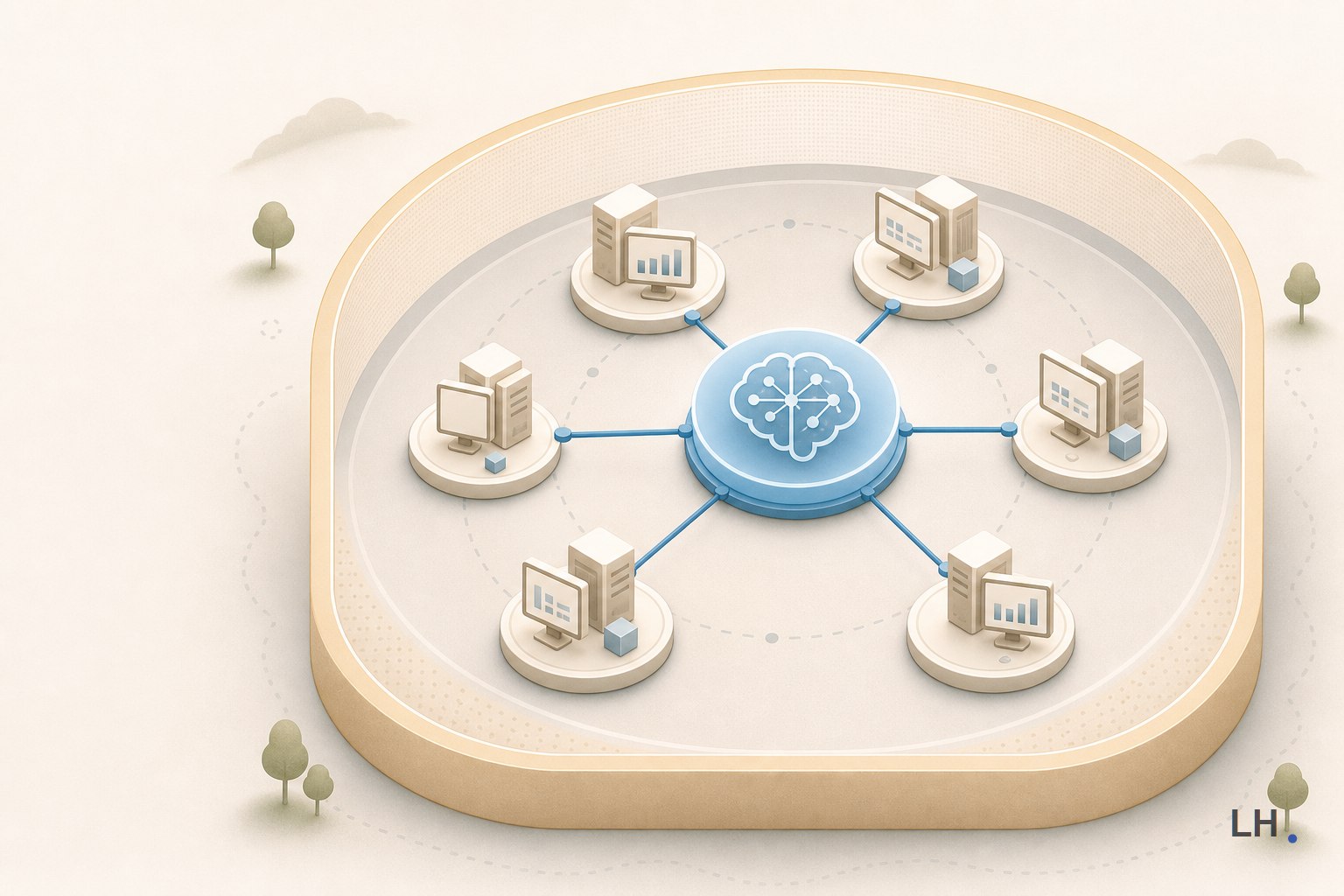
Palisade Research says it demonstrated LLM agents completing a controlled self-replication chain. Read it as an agent-permissions signal: when systems receive tools, scaffolding, and a target, they can increasingly stitch together complex steps across an environment.

OpenAI said at launch that it planned to expand its ChatGPT ads pilot. The practical question is where a sponsored placement ends and the assistant's answer begins: what is labeled, what OpenAI says stays separate from answers, and what controls exist around personalization.

AI Infrastructure
Anthropic's SpaceX compute deal is easiest to read as a capacity story. Everyday AI access still depends on real-world limits: chips, power, data centers, and enough headroom to serve users without constant friction.
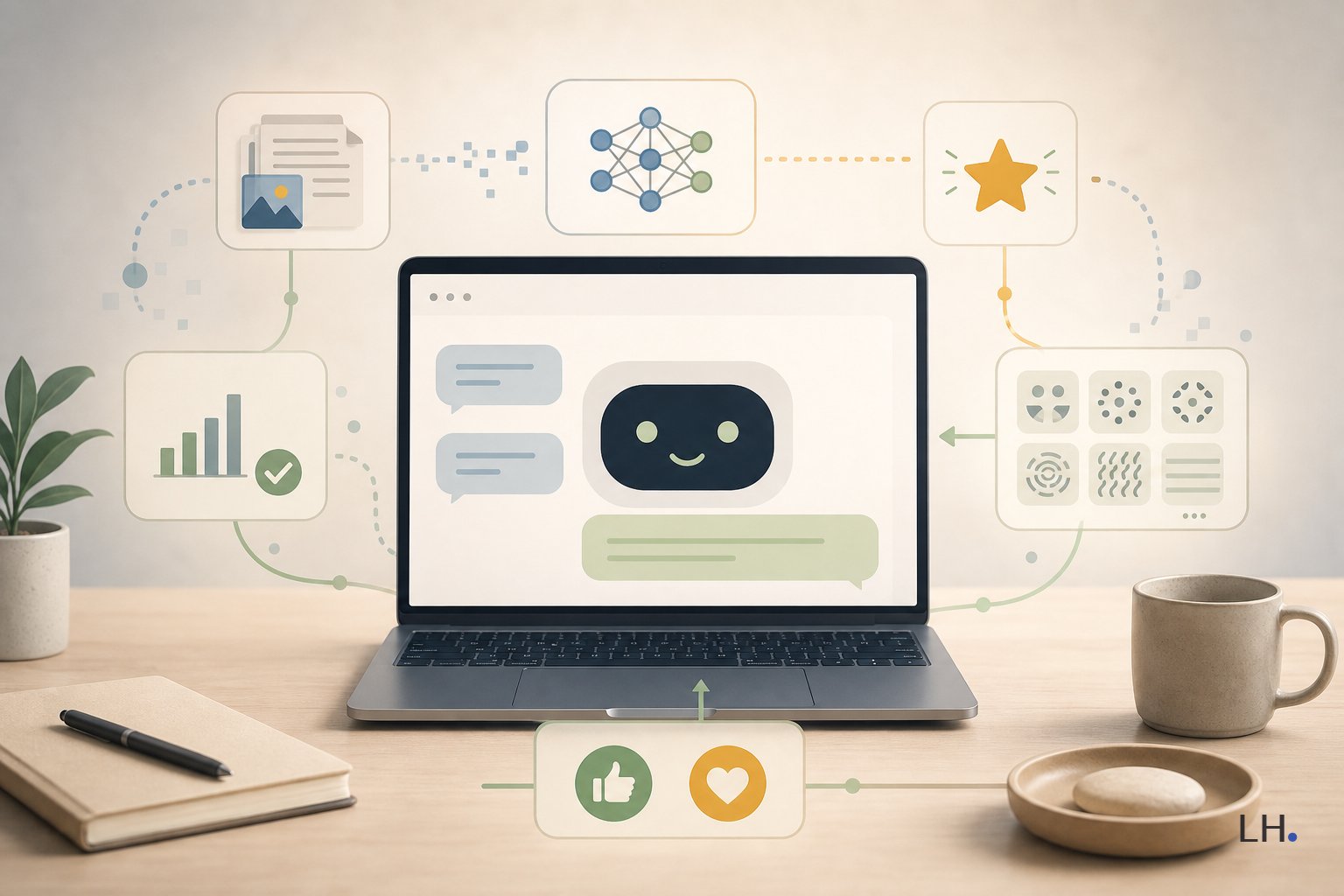
OpenAI's goblin story sounds like a meme, but it points to a plain product lesson: AI models can pick up strange habits when training rewards, personality settings, and feedback loops make certain patterns more likely.

Chinese courts have drawn attention for rulings suggesting that AI replacement alone may not be enough to justify dismissing workers. The careful reading is not "China banned AI layoffs"; it is that courts may weigh automation, contracts, and worker protection together.