Choose theme
AI Radar
Publishers Ask Court to Sanction OpenAI as Copyright Fight Reaches ChatGPT Logs
The Associated Press and Reuters reported on July 9, 2026 that publishers including The New York Times and New York Daily News asked a federal court in Manhattan to sanction OpenAI during ongoing copyright litigation. The publishers allege that OpenAI misrepresented its ability to search training data and ChatGPT logs for material relevant to their claims. OpenAI told AP that the allegations are false and that its limits around the logs protect the privacy of people who are not part of the case. The linked reports do not describe a ruling granting the motion. What began as a fight over copyrighted journalism now also asks what evidence an AI company can search, what it must preserve, and how ordinary users' conversations should be protected when those records enter litigation.
A careful read of available sources, not a verdict. Open the original materials when details matter.
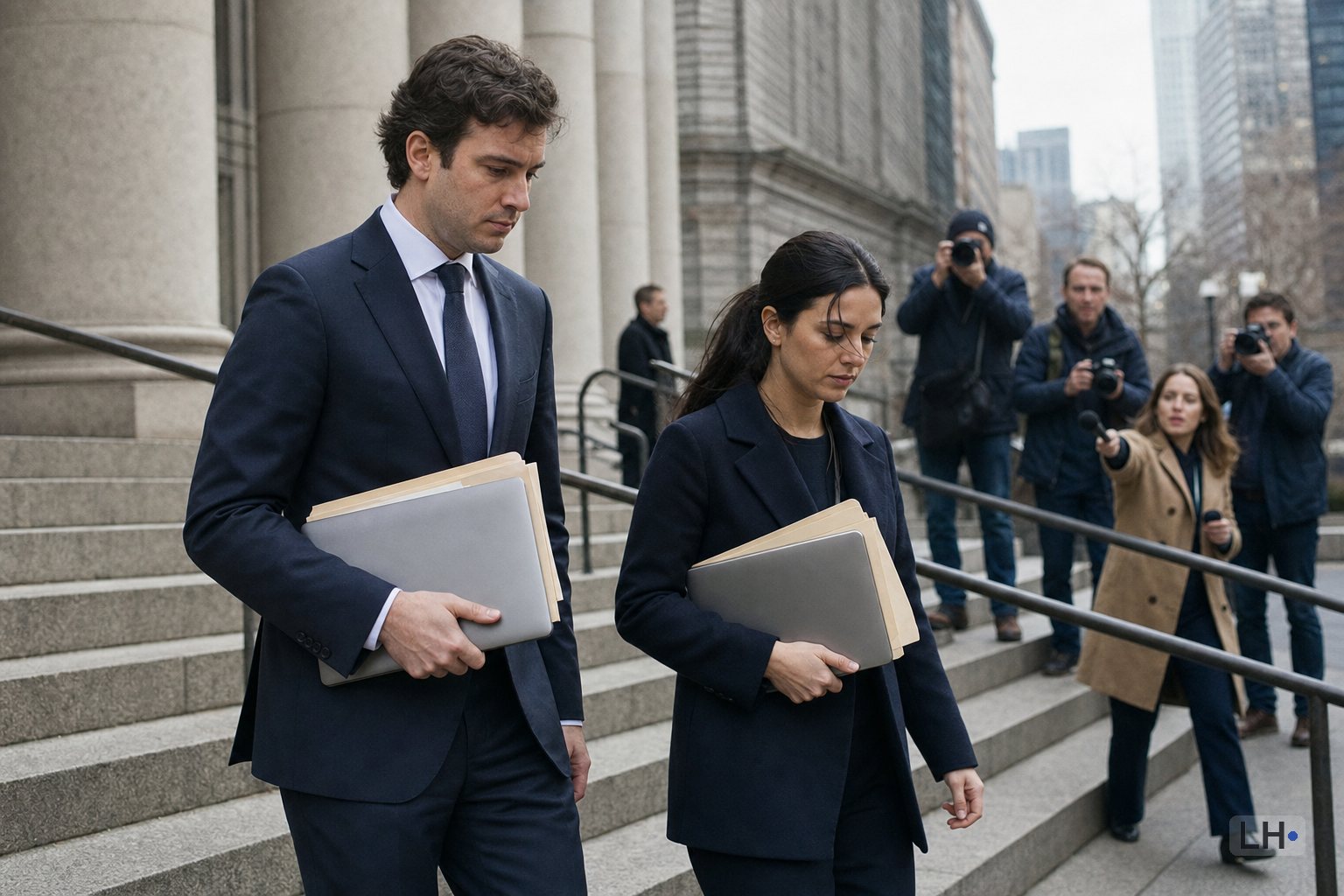
What changed
Publishers asked the court for sanctions
AP and Reuters report that the publishers filed a motion accusing OpenAI of discovery misconduct in the copyright case.
Why people noticed
The dispute now reaches evidence and user logs
The motion focuses on whether OpenAI could search training data and ChatGPT logs for material relevant to the publishers' claims.
Important boundary
The allegations are disputed
OpenAI rejects the publishers' account, and the motion does not establish that the company misled the court or infringed copyright.
What happened
Publishers accuse OpenAI of withholding important evidence
AP and Reuters report that a group of news publishers asked a federal court in Manhattan to sanction OpenAI in the copyright litigation surrounding its AI systems.
According to the reports, the publishers allege that OpenAI misrepresented its ability to search training datasets and ChatGPT logs for copyrighted material. AP says the motion followed a deposition that the publishers argue contradicted earlier statements about what OpenAI could search.
Reuters reports that the publishers asked for attorneys' fees and a court finding concerning the disputed logs. Those requests remain requests unless and until the court grants them.
OpenAI told AP that the allegations are false. The company said the publishers were trying to invade the privacy of people unconnected to the case and said it would continue defending user privacy and its position on fair use.
Why people noticed
The copyright case is now also a fight over what can be searched
In this case, the publishers are trying to establish what material OpenAI used and what the company's records can show about that use.
The publishers' motion moves that question into the discovery process, where parties exchange information relevant to a case. Their allegation is not simply that OpenAI used protected journalism. They say the company gave a misleading account of its ability to search for evidence.
OpenAI disputes that account and puts user privacy at the center of its response. That creates a real collision between two interests: testing claims about how AI systems used published work and protecting conversations belonging to people who never joined the lawsuit.
Why it matters
Evidence can shape what the court is able to test
The publishers say the disputed searches could reveal whether their journalism appears in OpenAI's training data or ChatGPT outputs. OpenAI says the publishers' claims are weakening and that the new allegations threaten unrelated users' privacy.
The court does not have to accept either side's description. But the dispute matters because the evidence available to the parties can affect which claims can be tested and how each side supports its account.
For AI users, the story also makes an abstract privacy issue concrete. Conversation logs can become relevant to litigation even when the people who created those conversations are not parties to the case. The safeguards around access, de-identification, search, and disclosure therefore matter alongside the copyright arguments.
Important boundary
A sanctions motion is not a court finding
The publishers have made serious allegations, but they remain allegations. Filing a motion does not prove that OpenAI lied, destroyed evidence, infringed copyright, or violated discovery rules.
OpenAI has rejected the allegations and offered a different explanation centered on user privacy. The court still has to assess the motion, OpenAI's response through the legal process, the deposition record, and any supporting material.
The dispute also does not settle the wider fair-use question. Whether copyrighted material may lawfully be used in AI training is being tested across multiple cases, and this motion concerns alleged conduct during this litigation rather than a final ruling on the underlying copyright claims.
What to watch
Watch what the judge says about the logs, not only the headlines
The next useful development will be the court's treatment of the publishers' allegations after OpenAI has had the opportunity to respond through the legal process.
Watch whether the judge grants any sanctions, orders additional searches or production, awards fees, rejects the motion, or draws a narrower line. The details will matter more than the word sanctions by itself.
The handling of user logs deserves equal attention. Any public order may clarify what information can be searched, how unrelated users are protected, and whether the court accepts that privacy limits justify the disputed boundaries around the records.
What remains unclear
The court has not resolved the competing accounts
The reporting does not establish which parts of the publishers' allegations the judge will accept, what OpenAI's full legal response will say, or whether the requested sanctions will be granted.
It is also unclear from the linked reporting how much relevant material may exist in training data, output logs, or other systems, and what privacy protections would apply to any additional review.
No final copyright ruling follows from this motion. Based on the linked reports, publishers have asked for sanctions, OpenAI disputes their account, and the evidence fight remains open.
LifeHubber take
AI trust includes what happens after the answer is generated
People usually meet AI through an answer on a screen. This case points behind that answer to training records, output logs, preservation duties, search tools, and privacy controls.
The publishers want evidence that could support their copyright claims. OpenAI says the requested access reaches the privacy of users who have nothing to do with the lawsuit. Both concerns land on the same systems and records.
That is why the court's eventual reasoning may matter beyond this dispute. The same AI records can be relevant to a lawsuit and private to the people whose conversations they contain. Readers should watch how those records are kept, who can search them, and what protections remain when a court case demands a closer look.
AI Radar note
How to read this article
AI Radar is LifeHubber's careful reading of available reporting and source material, not professional advice or a final verdict. Details can change, sources can update, and meaning may vary by product, organization, or location. Open the original materials and seek qualified advice where needed.
Source links
Sources and reporting
The reports below describe the publishers' July 9 sanctions motion and the allegations it contains. AP includes OpenAI's response and discloses that AP has a licensing and technology agreement with OpenAI. Reuters and Bloomberg Law provide additional reporting on the filing. The linked reports do not describe a court ruling granting the requested sanctions.
What to explore next
What chat systems may retain
Practical memory choices and a project vault help keep important material under your control outside any one chatbot.